
HEPATITIS C IN MEN

Sep 14, 2023, 8:22 PM UTC
4 min read • 2 views
Net Photo
Listen to this article
Listen to this article
Hepatitis C virus appears to affect males more often than females, but experts do not know why. Signs of an infection include fatigue, fever, and jaundice, but some people have no symptoms.
According to a 2019 report by the European Centre for Disease Prevention and Control, doctors diagnose 21 males with hepatitis C for every 10 females with the condition. An estimated 2.4 million people are living with hepatitis C in the United States only.
Males are also more likely than females to have severe side effects and quick progression to liver scarring, or cirrhosis.
Hepatitis C is a type of liver infection. The hepatitis C virus (HCV) causes the infection. It spreads through contact with the blood of a person with hepatitis C. Today, the most common route of infection is through the sharing of needles or other apparatus that people use to prepare and inject drugs.
The virus can cause liver damage and even lifelong cirrhosis or cancer.
The World Health Organization (WHO) estimates that 58 million people are living with chronic hepatitis C globally.
𝐓𝐘𝐏𝐄𝐒 𝐎𝐅 𝐇𝐄𝐏𝐀𝐓𝐈𝐓𝐈𝐒 𝐂
To date, researchers have identified seven HCV genotypes and 67 subtypesTrusted Source. A genotype is the specific strain of the HCV that a person acquires. Genotypes are distinct groups of the virus.
Genotype 1:, Genotype 2, 3, 4, 5, 6, 7.
The genotype of the HCV affects how a person responds to treatment.
There are seven HCV genotypes and 67 subtypes, with different geographic prevalences.
Genotypes affect how a person responds to treatment, with genotypes 1, 2, and 3 being most common in the U.S.
𝐖𝐡𝐚𝐭 𝐚𝐫𝐞 𝐭𝐡𝐞 𝐦𝐚𝐢𝐧 𝐬𝐲𝐦𝐩𝐭𝐨𝐦𝐬 𝐨𝐟 𝐡𝐞𝐩𝐚𝐭𝐢𝐭𝐢𝐬 𝐂 𝐢𝐧 𝐦𝐚𝐥𝐞𝐬?
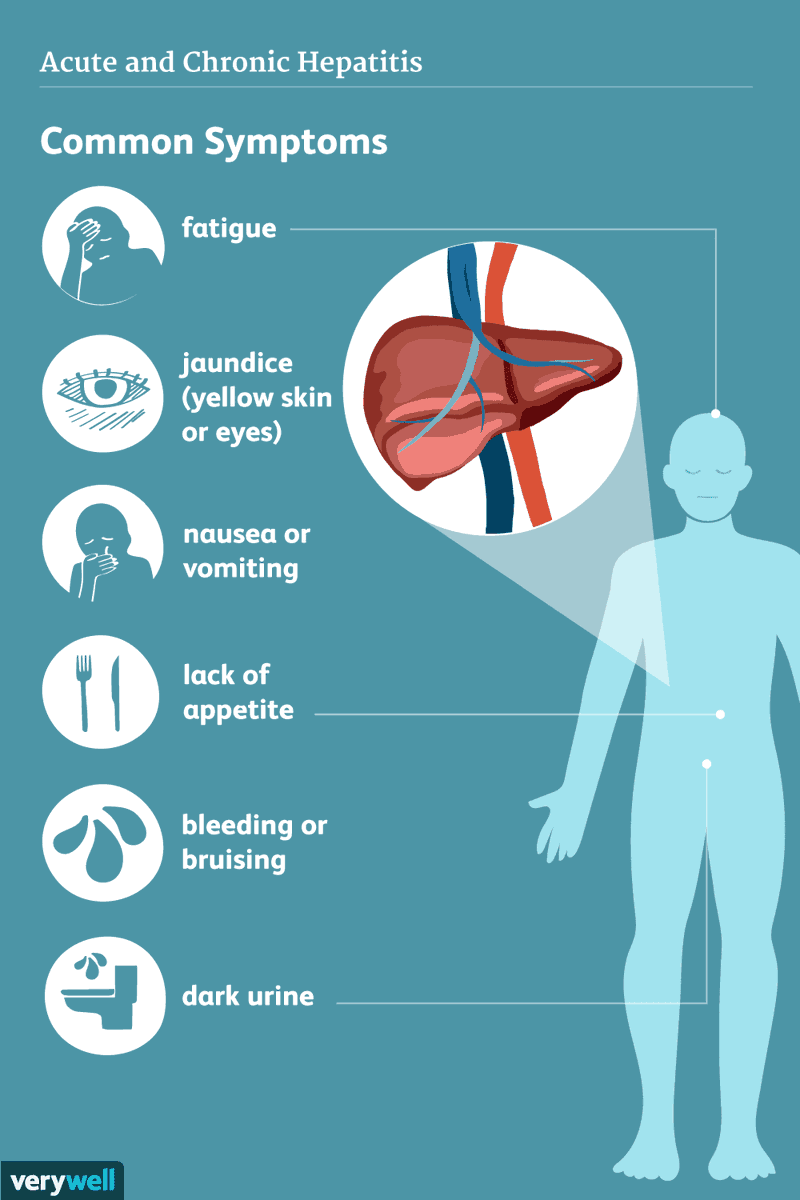
Hepatitis C may begin with an acute infection, which often does not causeTrusted Source symptoms. However, some people may experience a flu-like illness within 2–12 weeksTrusted Source of exposure to the virus.
When an acute hepatitis C infection does cause symptoms, they may include:
•appetite loss, fatigue, fever, nausea,
body aches and pains, yellow discoloration of the skin or eyes, dark urine, pale feces
In some people, the body clears hepatitis C without any medical intervention. However, this is not always the case, and the virus may progress to a chronic infection.
Healthcare professionals sometimes call hepatitis C a “silent infection” because a lack of symptoms can mean that people have it for a long time without being aware.
Chronic hepatitis C may lead to liver disease, persistent fatigue, and depression.
If symptoms do arise, a person may wish to consult a doctor for a diagnosis.
𝐇𝐏𝐂 𝐑𝐈𝐒𝐊 𝐅𝐀𝐂𝐓𝐎𝐑𝐒
According to the Centers for Disease Control and Prevention (CDC) men who have sex with men (MSM) have an increased risk of viral hepatitis, including hepatitis A, B, and C.
However, it is much more common for hepatitis C to transmit through the use of shared needles than through sexual contact.
People are also more likely to get hepatitis C if they:
•have a history of sexually transmitted infections (STIs) or HIV
•have sex with multiple people
•engage in rough sex
Some risk factors also cause a person to be more likely to experience liver scarring from hepatitis C. Excessive scarring may lead to liver failure. According to the CDC, the risk factors for developing cirrhosis include:
•having a history of hepatitis A, hepatitis B, or HIV
•taking certain medications
•consuming alcohol
A person should speak with a doctor about how to treat hepatitis C and reduce the risk of their condition worsening.
𝐖𝐡𝐚𝐭 𝐚𝐫𝐞 𝐭𝐡𝐞 𝐭𝐫𝐞𝐚𝐭𝐦𝐞𝐧𝐭 𝐨𝐩𝐭𝐢𝐨𝐧𝐬 𝐟𝐨𝐫 𝐦𝐚𝐥𝐞𝐬?
Hepatitis C is capable of causing a chronic infection that could lead to serious complications, including cirrhosis and liver cancer.
However, available treatments can cure hepatitis C in more than 90% of people. People usually take these medications for 8–12 weeks.
A person can get the virus again, though. Also, medications that may cure hepatitis C do not reverse the damage that the liver has already sustained in the form of scarring.
As a result, a doctor will usually recommend refraining from drinking alcohol and not taking medications that the liver usually metabolizes. This is to reduce the risk of further liver damage.
𝐇𝐞𝐩𝐚𝐭𝐢𝐭𝐢𝐬 𝐂 𝐩𝐫𝐞𝐯𝐞𝐧𝐭𝐢𝐨𝐧
There are vaccines to prevent a person from contracting hepatitis A and hepatitis B, but there is no vaccine for hepatitis C.
It is important that people take preventive measures to ensure that they do not get the virus.
𝐄𝐱𝐚𝐦𝐩𝐥𝐞𝐬 𝐨𝐟 𝐭𝐡𝐞𝐬𝐞 𝐦𝐞𝐚𝐬𝐮𝐫𝐞𝐬 𝐢𝐧𝐜𝐥𝐮𝐝𝐞:
using barrier methods, such as condoms, during sexual activities
avoiding sharing needles
seeking reputable tattoo and body piercing parlors for any body art
If a person suspects that they may be at risk of hepatitis C, they should seek advice from a doctor.